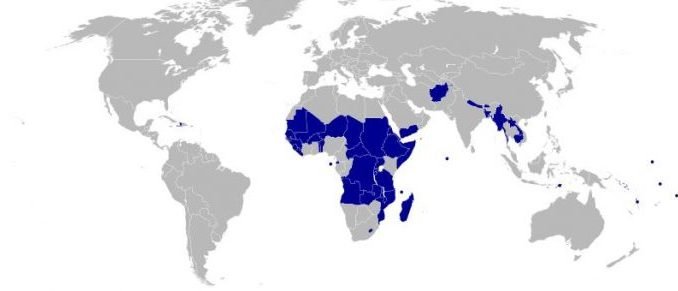
The transition of countries out of the Least Developed Country (LDC) category is a vital milestone, yet the pathway is “riddled with added crises,” warned UN Deputy Secretary-General Amina Mohammed at the Fifth UN Conference on LDCs (LDC5). The overwhelming consensus is that graduation must be sustainable and irreversible and cannot be allowed to disrupt overall sustainable development efforts.
Currently comprising 44 countries, LDCs face immense challenges, including high external debt, limited fiscal space, macroeconomic imbalances, and persistent poverty. Countries like Timor-Leste, which met criteria largely due to oil and gas revenues, have requested more time to diversify their economies before graduating, while Bhutan, a recent graduate, stressed the need for continued resources.
In response to these systemic vulnerabilities, the international community has called for urgent action, including debt relief, increased official development assistance (ODA), and expanded contingency financing to help LDCs invest in people, address climate change, and leverage technology.
One vital, yet often marginalized, avenue for sustainable structural transformation is the creative economy. The creative industries offer LDCs a feasible option to diversify their economic base and build resilience, aligning with the goal of sustainable graduation.
The economic potential is significant: LDCs’ creative goods exports reached $1.8 billion in 2020, with Cambodia and Myanmar accounting for over two-thirds of the total. However, LDCs remain net importers of creative goods (imports reached $4.1 billion) and trade in creative services is marginal. Exports are primarily concentrated in design goods like fashion, highlighting an opportunity for targeted growth.
Organizations like the UN Conference on Trade and Development (UNCTAD) are actively working to harness this potential, providing research and technical support. For instance, UNCTAD has supported Angola in fostering entrepreneurship and competitiveness by creating a conducive environment for its cultural and creative industries.
Ultimately, achieving a successful transition requires viewing graduation as a “waypoint, not an endpoint.” Continued, tailored support—focusing on financial resilience, structural diversification, and unlocking creative potential—is crucial to ensure that graduation is a reward, never a punishment, and leads directly to the achievement of the Sustainable Development Goals (SDGs).
Sources: