Leave no country behind: Myanmar
Least Developed Countries

Leave No Country Behind: Myanmar

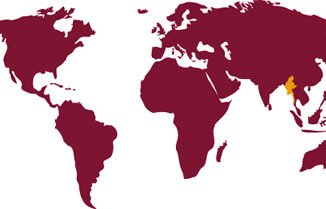
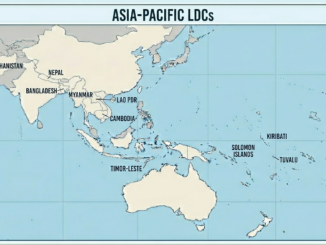
The current global socio-economic outlook highlights a sobering reality for Least Developed Countries (LDCs) like Myanmar, where structural weaknesses and financing constraints are putting the 2031 Doha Programme of Action targets at risk. To prepare […]

Navigating Myanmar’s Socio-Economic Crossroads
MSME Development

Navigating Myanmar’s Socio-Economic Crossroads

The formation of a new government represents a pivotal moment for Myanmar’s governance. This transition, while framed by the current authorities as a move toward a multi-party democratic system, occurs amid deep skepticism and ongoing […]

Sustainable Development

၂၀၃၀ ပြည့်နှစ်တွင် အာရှနှင့် ပစိဖိတ်ဒေသတွင် ရေရှည်တည်တံ့သော ဖွံ့ဖြိုးတိုးတက်မှု ရည်မှန်းချက်များ၏ ၈၈% ပြည့်မီမည်မဟုတ် – ကုလသမဂ္ဂ၏ အစီရင်ခံစာအသစ်ကုလသမဂ္ဂ၏ အစီရင်ခံစာသစ်အရ အာရှနှင့် ပစိဖိတ်ဒေသ၌ ရေရှည်တည်တံ့သော ဖွံ့ဖြိုးတိုးတက်မှု ရည်မှန်းချက်များ၏ ၈၈ ရာခိုင်နှုန်းကို ၂၀၃၀ ပြည့်နှစ်တွင် ပြည့်မီနိုင်မည်မဟုတ်၂၀၃၀ ပြည့်နှစ်တွင် အာရှနှင့် ပစိဖိတ်ဒေသတွင် ရေရှည်တည်တံ့သော ဖွံ့ဖြိုးတိုးတက်မှု ရည်မှန်းချက်များ၏ ၈၈% ပြည့်မီမည်မဟုတ် – ကုလသမဂ္ဂ၏ အစီရင်ခံစာအသစ်

လက်ရှိသွားနေသည့်နှုန်းထားအရ အာရှ-ပစိဖိတ်ဒေသသည် ၂၀၃၀ ပြည့်နှစ်တွင် တိုင်းတာနိုင်သည့် “ရေရှည်တည်တံ့သော ဖွံ့ဖြိုးတိုးတက်မှု ရည်မှန်းချက်များ” (SDGs) ၁၁၇ ခုအနက် ၁၀၃ ခုအထိ လွဲချော်ရန် အလားအလာရှိနေသည်။ ကုလသမဂ္ဂ အာရှနှင့် ပစိဖိတ်ဒေသဆိုင်ရာ စီးပွားရေးနှင့် လူမှုရေးကော်မရှင် (ESCAP) မှ ယနေ့ထုတ်ပြန်လိုက်သော “အာရှနှင့် ပစိဖိတ်ဒေသ SDG တိုးတက်မှု အစီရင်ခံစာ ၂၀၂၆” အရ ဒေသတွင်း၌ ဖွံ့ဖြိုးတိုးတက်မှုများသည် အလွန်အမင်း မမျှတဖြစ်နေပုံကို ဖော်ပြနေသည်။ […]

Myanmar

Myanmar and Climate Risk

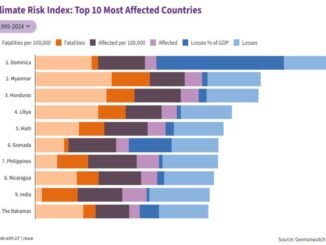
Myanmar consistently ranks high in climate risk, often within the top countries affected by extreme weather, placing 2nd for 2000-2019 in the Global Climate Risk Index (CRI 2021) and highlighted in the CRI 2026 as […]