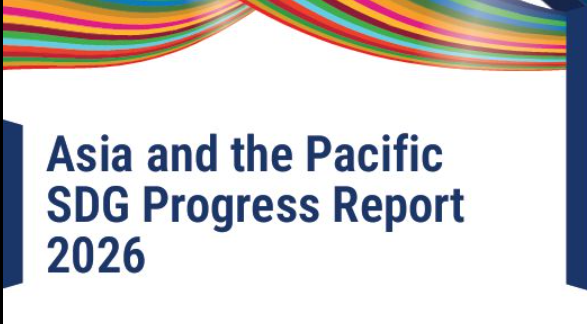
လက်ရှိသွားနေသည့်နှုန်းထားအရ အာရှ-ပစိဖိတ်ဒေသသည် ၂၀၃၀ ပြည့်နှစ်တွင် တိုင်းတာနိုင်သည့် “ရေရှည်တည်တံ့သော ဖွံ့ဖြိုးတိုးတက်မှု ရည်မှန်းချက်များ” (SDGs) ၁၁၇ ခုအနက် ၁၀၃ ခုအထိ လွဲချော်ရန် အလားအလာရှိနေသည်။ ကုလသမဂ္ဂ အာရှနှင့် ပစိဖိတ်ဒေသဆိုင်ရာ စီးပွားရေးနှင့် လူမှုရေးကော်မရှင် (ESCAP) မှ ယနေ့ထုတ်ပြန်လိုက်သော “အာရှနှင့် ပစိဖိတ်ဒေသ SDG တိုးတက်မှု အစီရင်ခံစာ ၂၀၂၆” အရ ဒေသတွင်း၌ ဖွံ့ဖြိုးတိုးတက်မှုများသည် အလွန်အမင်း မမျှတဖြစ်နေပုံကို ဖော်ပြနေသည်။
လွန်ခဲ့သည့် ဆယ်စုနှစ်များအတွင်း ကျန်းမာရေး၊ သုခချမ်းသာရေး နှင့် ဆင်းရဲနွမ်းပါးမှု လျှော့ချရေးတို့တွင် ရရှိခဲ့သော တိုးတက်မှုများသည် ဆိုးရွားသော ပတ်ဝန်းကျင်ယိုယွင်းပျက်စီးမှုနှင့် မညီမျှမှုများ ပိုမိုကျယ်ပြန့်လာခြင်းကို ကျော်လွန်နိုင်ခဲ့ခြင်းမရှိပါ။ ပညာရေး တန်းတူညီမျှ ရရှိနိုင်မှု (SDG ရည်မှန်းချက် 4.5) နှင့် အလုပ်သမားအခွင့်အရေး လိုက်နာမှု (SDG ရည်မှန်းချက် 8.8) တို့တွင် ဆုတ်ယုတ်မှုများရှိနေကြောင်း အထောက်အထားများက ဖော်ပြနေသည်။ ထို့အပြင် ထိခိုက်မှုခံရနိုင်ခြေ အမြင့်ဆုံးဖြစ်သည့် အားနည်းသောလူထုအသိုက်အဝန်းများအတွက် မည်မျှထိရောက်စွာ ဆောင်ရွက်နိုင်သည်ကို နားလည်သိရှိရန်မှာလည်း မူဝါဒရေးဆွဲသူများအတွက် အခက်တွေ့နေခဲ့သည်။ အကြောင်းမှာ ကျား/မ တန်းတူညီမျှမှု (SDG 5) နှင့် ငြိမ်းချမ်းရေး၊ တရားမျှတရေးနှင့် ခိုင်မာသော အဖွဲ့အစည်းများ (SDG 16) ဆိုင်ရာ အချက်အလက်များ မလုံလောက်မှုကြောင့်ဖြစ်သည်။
ရာသီဥတုဆိုင်ရာ ဆောင်ရွက်ချက်များ (climate action)၊ ပင်လယ်ရေကြောင်း ထိန်းသိမ်းရေးနှင့် ဇီဝမျိုးစုံမျိုးကွဲများကဲ့သို့သော အရေးကြီးသည့် ကဏ္ဍများတွင် တိုးတက်မှုအခြေအနေမှာ ရပ်တန့်နေရုံသာမက အလျင်အမြန် ယိုယွင်းလာနေသည်။ မြို့ပြနှင့် ရပ်ရွာများတွင် အရေးကြီးသော အခြေခံအဆောက်အအုံများ ပျက်စီးခြင်းအပါအဝင် ဆက်တိုက်ဖြစ်ပေါ်နေသော ဆုတ်ယုတ်မှုများသည် ချမှတ်ထားသော အစီအစဉ်နှင့် လက်တွေ့မြေပြင်တွင် အမှန်တကယ် ပြန်လည်ထူထောင်ရေး ဆောင်ရွက်နိုင်စွမ်းမှာ ကြီးမားစွာ ကွာဟနေကြောင်း မီးမောင်းထိုးပြနေသည်။
“ဒီအစီရင်ခံစာဟာ ခါးသီးတဲ့ လက်တွေ့ဘဝအခြေအနေကို ပြသလိုက်တာပါပဲ။ တစ်ချိန်က လူသန်းပေါင်းများစွာကို ဆင်းရဲတွင်းကနေ ဆွဲထုတ်ပြီး စက်မှုခေတ် ဖွံ့ဖြိုးတိုးတက်မှုကို မောင်းနှင်ပေးခဲ့တဲ့ စက်ယန္တရားတွေဟာ လက်ရှိမှာတော့ ကျွန်မတို့ရဲ့ အနာဂတ်ကို တဖြည်းဖြည်းချင်းလှိုက်စားနေပါတယ်” ဟု ကုလသမဂ္ဂ လက်ထောက် အထွေထွေအတွင်းရေးမှူးနှင့် ESCAP ၏ အမှုဆောင်အတွင်းရေးမှူး ဖြစ်သူ Armida Salsiah Alisjahbana က ပြောကြားခဲ့သည်။ သူမက ဆက်လက်၍ “ကျွန်မတို့ရဲ့ အကြီးမားဆုံး စိန်ခေါ်မှုက အသုံးချတတ်မယ်ဆိုရင် အကြီးမားဆုံး အခွင့်အရေးတစ်ရပ်လည်းဖြစ်ပါတယ်။ ဒီစိန်ခေါ်မှုကနေတစ်ဆင့် ပိုမိုကြွယ်ဝ၊ ပိုမိုစမတ်ကျတဲ့အပြင် ပိုမိုကျန်းမာပြီး တရားမျှတတဲ့ ဒေသတစ်ခုကို တည်ဆောက်ဖို့ပဲဖြစ်ပါတယ်” ဟု အလေးအနက်ထား ပြောကြားခဲ့သည်။
အမှန်တကယ် တိုးတက်နေသော ကဏ္ဍများလည်းရှိပါသည်။ မိခင်နှင့် ကလေးသေဆုံးမှု တဖြည်းဖြည်း လျော့နည်းလာခြင်းကြောင့် ဒေသတွင်း စက်မှုလုပ်ငန်း၊ အခြေခံအဆောက်အအုံ (SDG 9) နှင့် ကောင်းမွန်သော ကျန်းမာရေးနှင့် သုခချမ်းသာ (SDG 3) ကဏ္ဍများတွင် ဆက်လက်တိုးတက်နေပါသည်။ ဝင်ငွေနည်းပါးခြင်းကြောင့်ဖြစ်သော ဆင်းရဲမွဲတေမှု လျှော့ချရေးနှင့် လျှပ်စစ်ဓာတ်အားရရှိသော နယ်မြေကျယ်ပြန့်ရေး ဆောင်ရွက်မှုများမှာ ဒေသတွင်း သိသာထင်ရှားသော အောင်မြင်မှုများဖြစ်သည်။
အချက်အလက်ဒေတာ ရရှိနိုင်မှုမှာ ပိုမိုကောင်းမွန်လာသည်။ ယနေ့တွင် SDG ညွှန်းကိန်းများ၏ ၅၅ ရာခိုင်နှုန်းသည် တိုးတက်မှုကို အကဲဖြတ်ရန် လုံလောက်သော အချက်အလက်များရှိနေပြီး၊ ၎င်းမှာ အာရှနှင့် ပစိဖိတ်ဒေသကို ကျန်ကမ္ဘာ့နိုင်ငံများထက် ရှေ့ရောက်စေခဲ့သည်။
နှစ်စဉ်ထုတ်ဝေသည့် “အာရှနှင့် ပစိဖိတ်ဒေသ SDG တိုးတက်မှု အစီရင်ခံစာ” သည် ဒေသတွင်း၌ မည်သည့်နေရာတွင် နောက်ထပ် အားထုတ်မှုများ လိုအပ်နေပြီး မည်သည့်နေရာတွင် အနာဂတ်တိုးတက်မှု အရှိန်အဟုန်များ ဖြစ်ပေါ်နေသည်ကို ဆုံးဖြတ်ရန် ကမ္ဘာလုံးဆိုင်ရာ SDG ညွှန်းကိန်းများအတွက် နောက်ဆုံးရ အချက်အလက်များကို အသုံးပြုထားသည်။
ယခုနှစ်တွင် ESCAP သည် အာရှ-ပစိဖိတ်ဒေသတွင် ရင်ဆိုင်နေရသော ဘက်စုံရေရှည်တည်တံ့ခိုင်မြဲရေးဆိုင်ရာ စိန်ခေါ်မှုများကို ထင်ဟပ်စေရန် အစားအသောက်စနစ်များ၊ စွမ်းအင်၊ ဒစ်ဂျစ်တယ် ချိတ်ဆက်မှု၊ ပညာရေး၊ လူမှုဖူလုံရေးနှင့် လူမှုကာကွယ်စောင့်ရှောက်ရေး၊ ပတ်ဝန်းကျင်ဟူသော အကူးအပြောင်း ခြောက်ခုအပေါ် အထူးအလေးပေးထားသည့် ခွဲခြမ်းစိတ်ဖြာချက်စာတမ်းတစ်စောင်ကိုလည်း ပူးတွဲထုတ်ပြန်ထားသည်။
အစီရင်ခံစာကို ဤလင့်ခ် https://www.unescap.org/kp/2026/asia-and-pacific-sdg-progress-report-2026 တွင် ဝင်ရောက်ဖတ်ရှုပါ။
88% of sustainable development targets will not be met in Asia and the Pacific by 2030 – new UN report
At the current pace, the Asia-Pacific region is set to miss a staggering 103 out of 117 measurable Sustainable Development Goals targets by 2030. The Asia and the Pacific SDG Progress Report 2026, issued today by the United Nations Economic and Social Commission for Asia and the Pacific (ESCAP), also reveals a picture of deeply imbalanced development in the region.
Gains in health and well-being, and poverty reduction these past decades, are being overshadowed by severe environmental decline and widening inequalities. Evidence shows setbacks in ensuring equal access to education (SDG target 4.5) and compliance with labour rights (SDG target 8.8 ). Furthermore, insufficient data on gender equality (SDG 5) and peace, justice and strong institutions (SDG16), is obscuring policymakers’ understanding of how effectively the most vulnerable are being reached.
In critical areas such as climate action, marine conservation and biodiversity, the situation is not just stalling but rapidly deteriorating. For cities and communities, persistent regression, including damage to critical infrastructure, underscores a dangerous gap between planning and resilience on the ground.
“This report reveals a sobering reality. The very engines of growth that once lifted millions out of poverty and fuelled rapid industrialization are now undermining our future,” shared Armida Salsiah Alisjahbana, Under-Secretary-General of the United Nations and Executive Secretary of ESCAP. She underscored, “Our greatest collective challenge is also our greatest opportunity: to build a region that is not only wealthier but smarter, healthier and more just.”
There are areas of solid progress. The region continues to advance on industry, innovation and infrastructure (SDG 9) and on good health and well-being (SDG 3), driven by steady reductions in maternal and child mortality. Progress in reducing income poverty and expanding access to electricity are notable achievements for the region.
Data availability is improving. Today, 55% of SDG indicators have enough data for progress assessment, placing Asia and the Pacific ahead of the rest of the world.
An annual publication, the Asia and the Pacific SDG Progress Report uses the latest data for global SDG indicators to determine where additional effort is needed in the region and where momentum for future progress is building.
This year, ESCAP has also issued a companion analysis paper which places special emphasis on performance across six transitions: food systems, energy, digital connectivity, education, welfare and social protection, and the environment, reflecting the multifaceted sustainability challenges facing the Asia-Pacific region.
Read the report: https://www.unescap.org/…/asia-and-pacific-sdg-progress…